 freegame.com.es
Freegames Memory




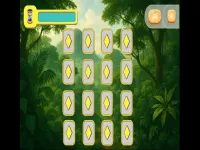


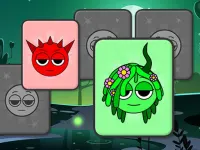















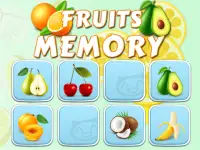
Freegames memory games present a systematic framework for cognitive training through card-matching tasks. The genre emphasizes pattern retention and spatial recall within a structured digital environment. This analysis examines core operational parameters and standard procedural expectations for a freegames memory game category. About freegames memory games Efficiently execute a sequence of concealed pair identification; the primary objective requires matching identical symbols across a defined grid layout. Player actions involve sequential selection of…Learn moreLatest update
Freegames memory games present a systematic framework for cognitive training through card-matching tasks. The genre emphasizes pattern retention and spatial recall within a structured digital environment. This analysis examines core operational parameters and standard procedural expectations for a freegames memory game category.
About freegames memory games
Efficiently execute a sequence of concealed pair identification; the primary objective requires matching identical symbols across a defined grid layout. Player actions involve sequential selection of hidden tiles to reveal their contents and commit memory to subsequent positions for successful completion. The gameplay loop focuses on minimizing errors while maximizing recall accuracy through repeated exposure to the same set of visual data points.
Gameplay Mechanics
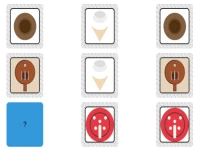
The interface typically presents a grid of face-down cards that conceal identical symbol pairs distributed across the board. Each selection reveals a card temporarily before it reverts to its hidden state if a matching pair is not identified. The core memory card game mechanic requires players to internalize the spatial location of revealed symbols for future reference. Successful matching removes pairs from the active grid, progressively reducing the total number of unknown variables until the board is cleared.
Tips & Strategies
Maintain a mental map of previously revealed card locations to accelerate the identification of matching pairs in subsequent turns. Develop a consistent scanning pattern across the grid to minimize random search behavior and improve overall recall efficiency during the session. Prioritize high-contrast symbol locations first to anchor memory nodes, which supports the cognitive load required by this matching games genre.
freegames memory Games FAQs
Q: What controls are used to interact with the cards? A: Selection is performed using standard pointer controls to click or tap on desired tiles.
Q: What is the main objective of the game? A: The goal is to locate and match all identical pairs on the grid.
Q: Is the game compatible with mobile and tablet devices? A: The interface is responsive and supports touch input on mobile platforms.
Q: What is the primary game mechanic involved? A: The mechanic relies on short-term visual memory to track card positions.