 freegame.com.es
Puzzles


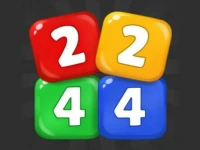
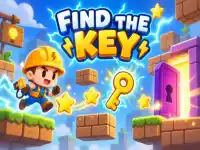
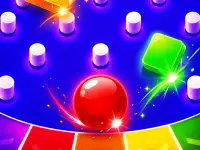
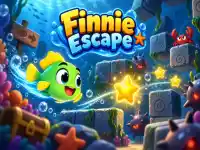

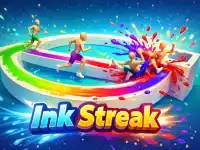
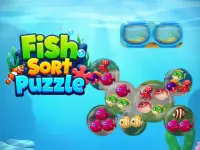





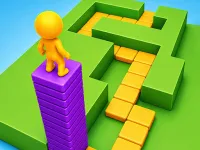

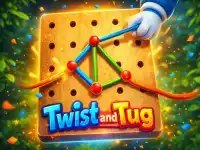
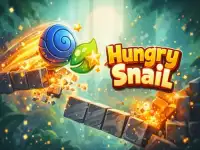



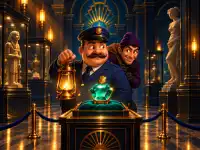
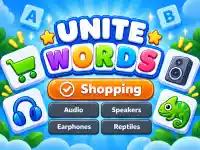



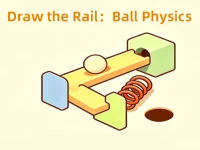



Puzzle Games For Smart Browser Play The Puzzles category on freegame.com.es is made for players who want browser games based on thinking, observation, logic, memory, and careful choices. These games are slower than action or racing titles, but they still keep the player active through solving, matching, sorting, searching, comparing, and planning. This section is useful when the player wants a calmer challenge that still needs focus. Puzzle games can include many styles. Some titles ask players to match objects, find hidden items, solve routes, complete…Learn moreLatest update
Puzzle Games For Smart Browser Play
The Puzzles category on freegame.com.es is made for players who want browser games based on thinking, observation, logic, memory, and careful choices. These games are slower than action or racing titles, but they still keep the player active through solving, matching, sorting, searching, comparing, and planning. This section is useful when the player wants a calmer challenge that still needs focus.
Puzzle games can include many styles. Some titles ask players to match objects, find hidden items, solve routes, complete patterns, remember positions, answer questions, or move pieces into the right order. The best puzzle titles explain the rule early and let the player understand what each action changes.
? Puzzles Built Around Clear Rules
A good puzzle game starts with a clear idea. The player should understand what can be moved, selected, matched, placed, counted, or solved without needing long instructions. When the rule is easy to read, the challenge feels fairer.
That does not mean every puzzle has to be simple. A game can become more demanding as the session continues, but the basic task should stay understandable. Clear feedback is important because players need to know whether a move helped, failed, or opened another choice.
Good Rules Make The Challenge Better
Players stay longer when the puzzle feels logical instead of confusing.
? Observation And Hidden Object Play
Some puzzle games focus on looking carefully. Hidden object titles, difference games, clue-based scenes, and detail-search challenges ask players to scan the screen and notice what others might miss. These games reward patience more than speed.
Observation puzzles work best when objects are visible and the screen is not too crowded. The player should feel challenged by the search, not by unclear visuals. When the design is readable, every correct find feels connected to attention and careful checking.
Small Details Matter In Search Puzzles
The strongest hidden object games reward slow looking and clean visual comparison.
? Matching, Sorting, And Memory Games
Matching and sorting games are good choices for players who want quick rules. The player may connect similar items, arrange pieces, clear groups, organize shapes, or place objects in the correct order. These games usually work well for short sessions because the goal appears quickly.
Memory games add another layer. Instead of only reacting to what is visible, the player must remember positions, images, sequences, or earlier choices. This makes the session feel more thoughtful without needing complicated controls.
Simple Actions Can Still Need Focus
A puzzle can use basic moves while still asking the player to think carefully.
? Logic And Problem-Solving Challenges
Logic puzzles are useful for players who enjoy step-by-step thinking. These games may involve routes, numbers, symbols, shapes, clues, timing, order, or cause-and-effect choices. The player needs to understand the rule and then apply it with care.
Good problem-solving games do not rely on random guessing. They give enough information for the player to test ideas and learn from mistakes. When the answer feels earned, the puzzle becomes more satisfying to complete and easier to replay later.
Fair Logic Makes Progress Feel Earned
The best puzzle challenges let players improve through thinking, not luck.
? Puzzle Games On Phones, Tablets, And Computers
Puzzle games can work well on many devices, but the screen still matters. On phones, simpler matching, memory, and sorting titles are usually easier when buttons and objects are large enough. On tablets, scenes with more details can feel more comfortable.
On computers and laptops, hidden object games or logic puzzles with smaller details may be easier to read. Players should test each title for a minute before staying with it. If the text, objects, or controls feel too small, another puzzle game may be a better choice.
The Screen Should Help The Player Think
A puzzle becomes weaker when the layout makes the task hard to read.
? How To Pick Puzzle Games On freegame.com.es
Start with the kind of thinking you want. Choose matching games for quick rules, hidden object games for careful searching, memory games for recall, sorting games for order, and logic games for deeper problem solving.
Also think about how much time you have. A short break works better with simple puzzles that restart quickly. A longer session can fit games with more steps, clues, or repeated attempts. The best choice depends on patience, screen size, and mood.
Match The Puzzle To Your Energy
A calm game can still feel demanding when it asks for attention and planning.
? Why Puzzle Games Stay Useful
Puzzle games stay useful because they offer a different pace from faster browser categories. They let players slow down, focus, and solve tasks without constant pressure. This makes the category a good option for players who want a quieter session.
The category also has strong variety. One player may prefer hidden object scenes, another may like matching games, and another may want logic or memory challenges. That range keeps the Puzzles section practical for repeat visits on freegame.com.es.
Puzzles Reward Careful Choices
Players return when each attempt teaches something and the solution feels fair.
❓ Puzzle Games Questions
What can players find in the Puzzles category? Matching, sorting, memory, logic, hidden object, clue-based, and problem-solving browser games.
Are puzzle games good for short sessions? Yes, many puzzle titles have simple rules and quick restarts.
Can puzzle games work on mobile? Many can, when objects, buttons, and text are easy to see.
What should players check first? Rules, visual clarity, object size, feedback, and whether the goal is understandable.
How should players choose a puzzle game? Choose by thinking style, available time, device comfort, and patience level.
Play Puzzle Games On freegame.com.es
The Puzzles category helps players find free browser games based on logic, memory, matching, sorting, hidden objects, and careful observation. It is a useful section for players who want a slower but still active challenge.
Choose a puzzle game, test the first minute, and keep playing when the rules feel clear, fair, and worth solving.